CONCEPT

DESIGNERS
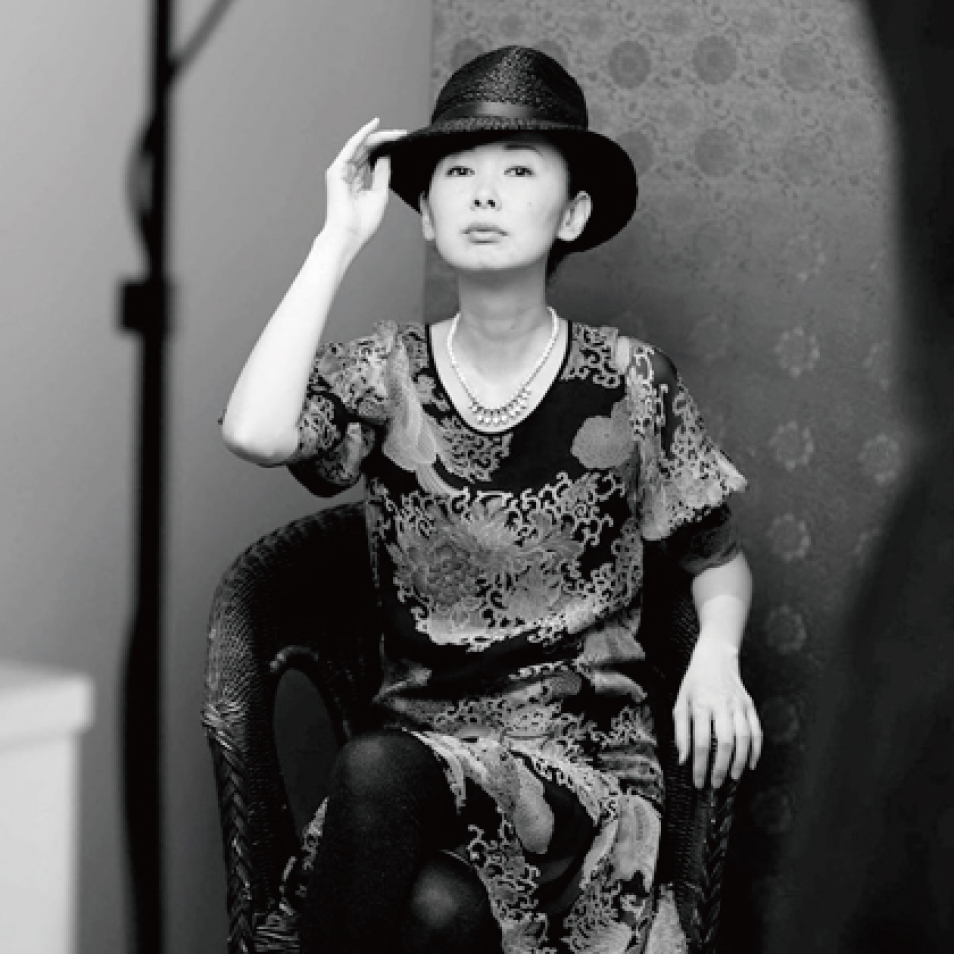
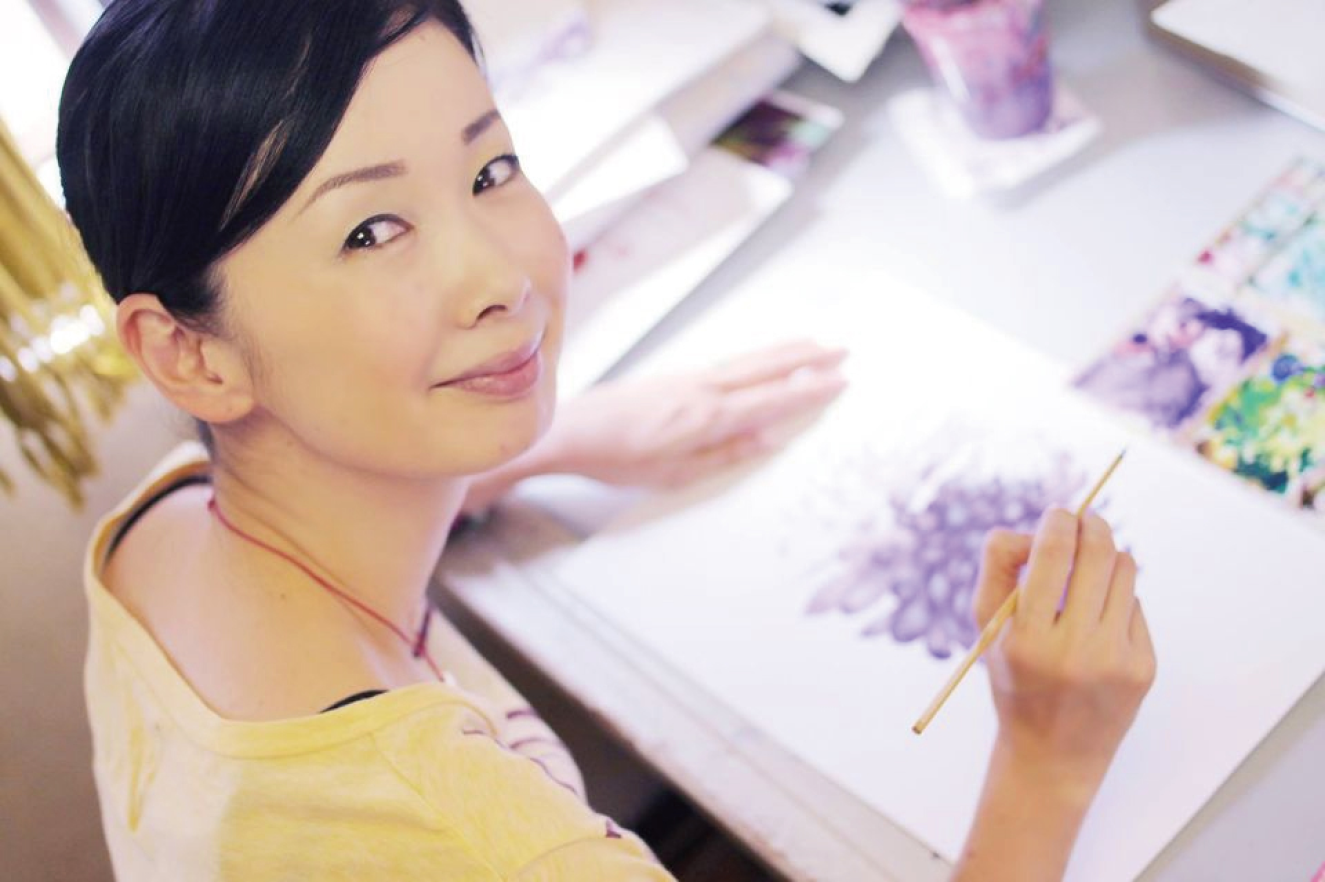
Maki Hayazono
Born in Yokohama on January 11, 1972. Grew up in a family of craftsmen who made silkscreen printing stencils for Yokohama scarves. After graduating from the Japan Fashion Institute, he worked as a model for collections, magazines, and TV commercials while helping out with the family business. After appearing in Paris Fashion Week, he realized his identity and pride as an Asian that was sleeping inside him. In 2000, he opened his own brand, "ROUROU," in Yokohama Chinatown, with the concept of "Neo-Asia" emanating from Japan. He also designs uniforms for companies such as the Rose Hotel Yokohama.
MESSAGE
Welcome to "ROUROU", a place where you can discover a new you, where you can feel the neo-Asian identity and pride, emanating from the "Oboro-Kuni"
"Rouroukoku" is an unknown, evolved Asian country that was influenced by Europe and China in ancient times, and eventually built a civilization without conflict, with its own unique culture and art...
Assuming that such an ideal country exists, our brand "ROUROU" is a direct embodiment of the image of that country.
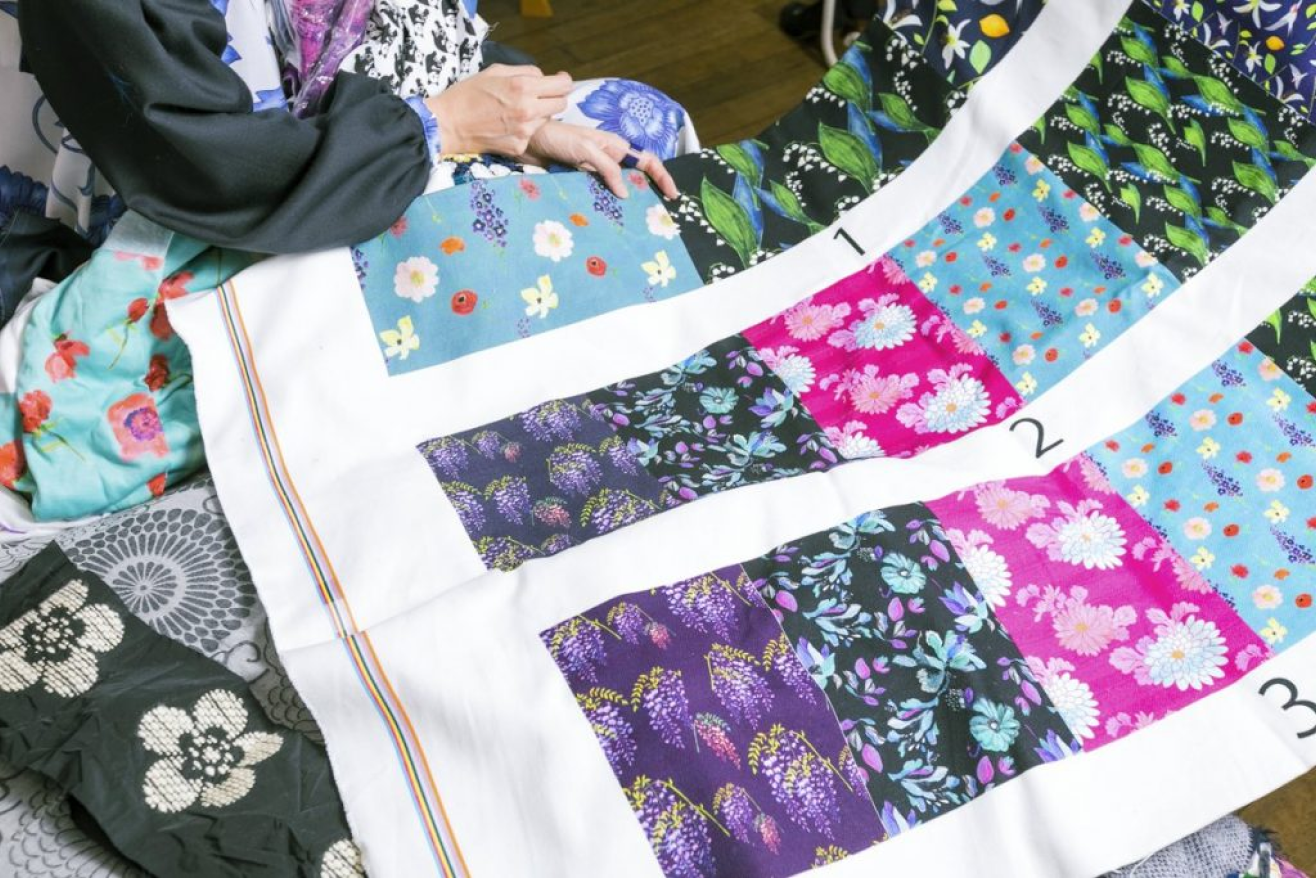
ROUROU's clothes retain the forms of traditional ethnic costumes, while incorporating Japanese techniques such as embroidery and jacquard, as well as handicrafts unique to Asia.
We hope that by wearing the clothes and items we make, you will discover a new side of yourself. At the same time, we want you to feel proud of being Asian. And because we are located in Yokohama's Chinatown, we believe that our unique strength is that we can convey a neo-Asian feel that is not found anywhere else.
I was born into a family whose business was making silkscreen printing stencils for Yokohama scarves, a local industry in Yokohama, and I grew up experiencing firsthand the manufacturing process.
As she grew up, she began working as a model while helping out her parents' company.
One of the most fortunate times I had was having the opportunity to appear at Yohji Yamamoto's Paris Fashion Week for his Spring/Summer 1995 collection.
The collection was themed around "Japonism," and the moment I walked down the runway wearing an outfit unique to Youji, which used traditional Japanese techniques such as gold and orchid obi fabric and tie-dyeing, I felt as if everything about me - my Japanese-style facial features, which have always been a complex for me, my overly thin and flat body, and my delicate heart - were all affirmed, and I felt that I was happy just the way I am, as an Asian, as a Japanese person.
The concept of Oboro-Oro Country was inspired by such experiences.
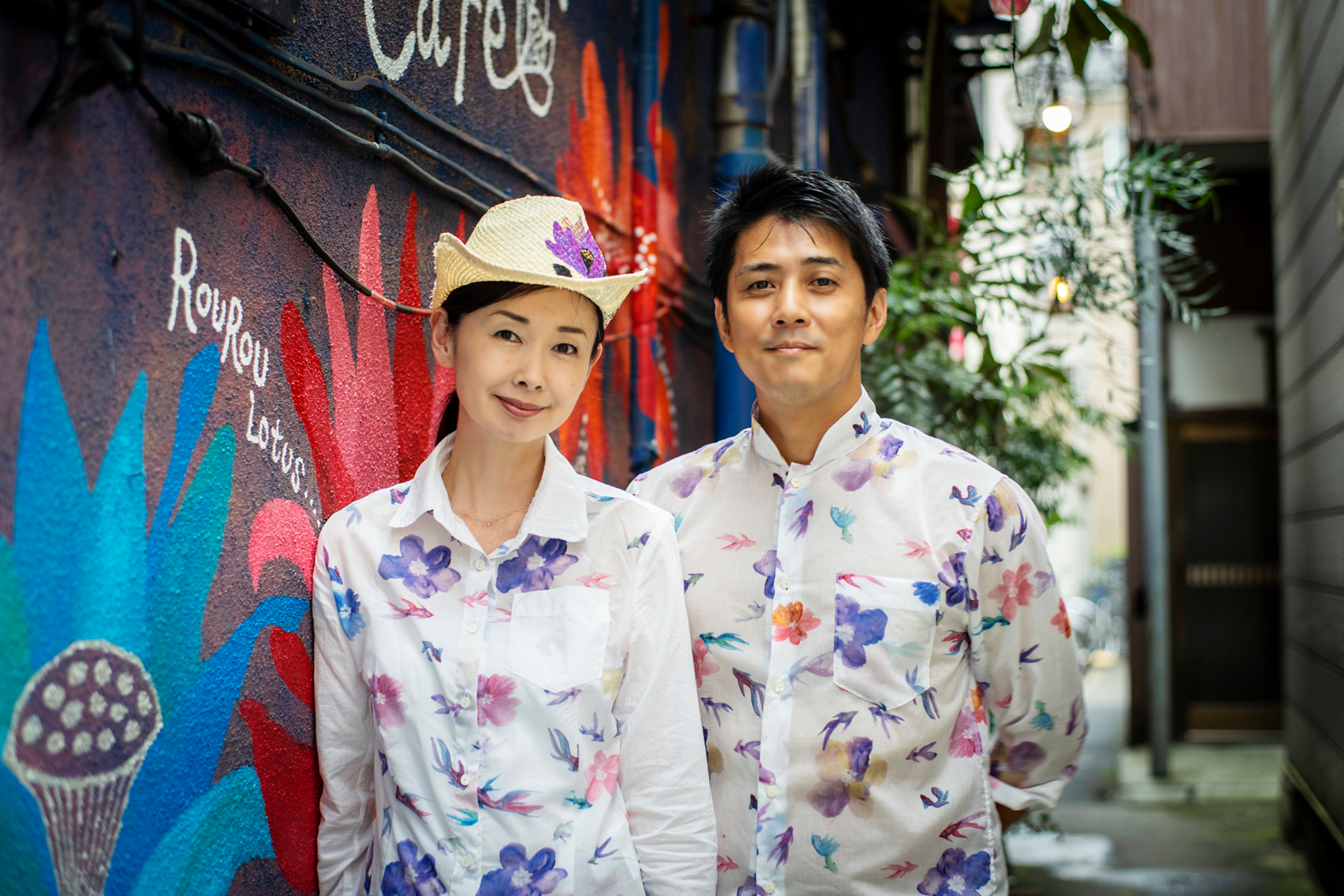
Since launching the brand in 2000, she has been busy every day with her husband, Yoichiro Ishikawa, her partner who shares the same dream.
Like a lotus flower that has purified the mud and bloomed with dignity, ROUROU will continue to send messages to the future. Designer Maki Hayazono
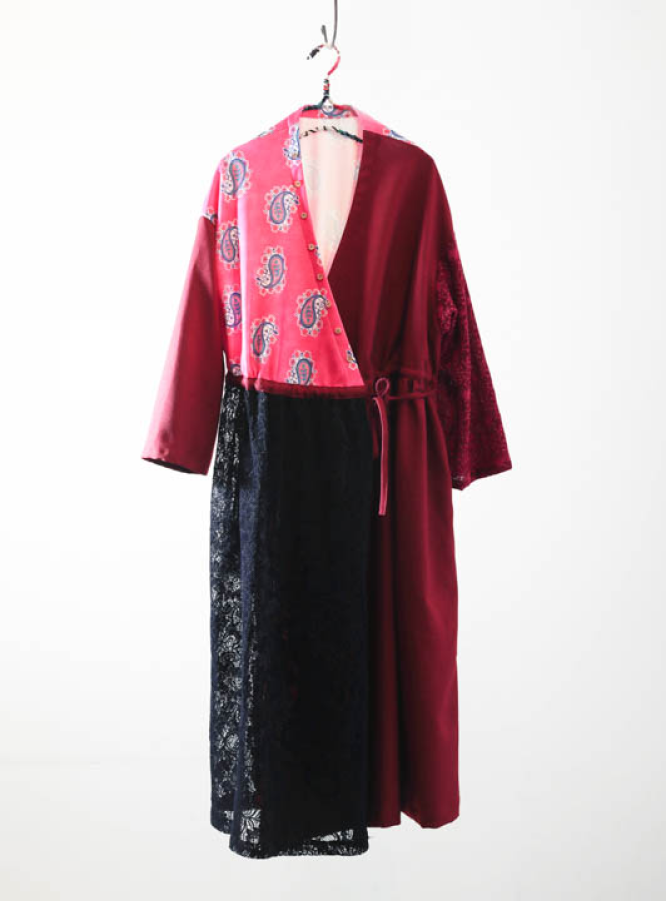
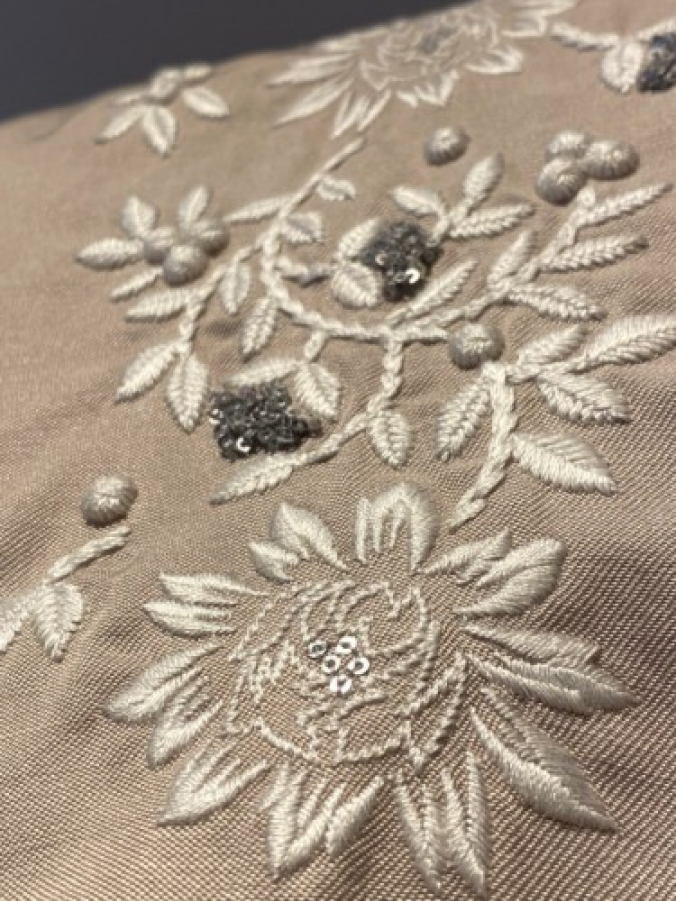
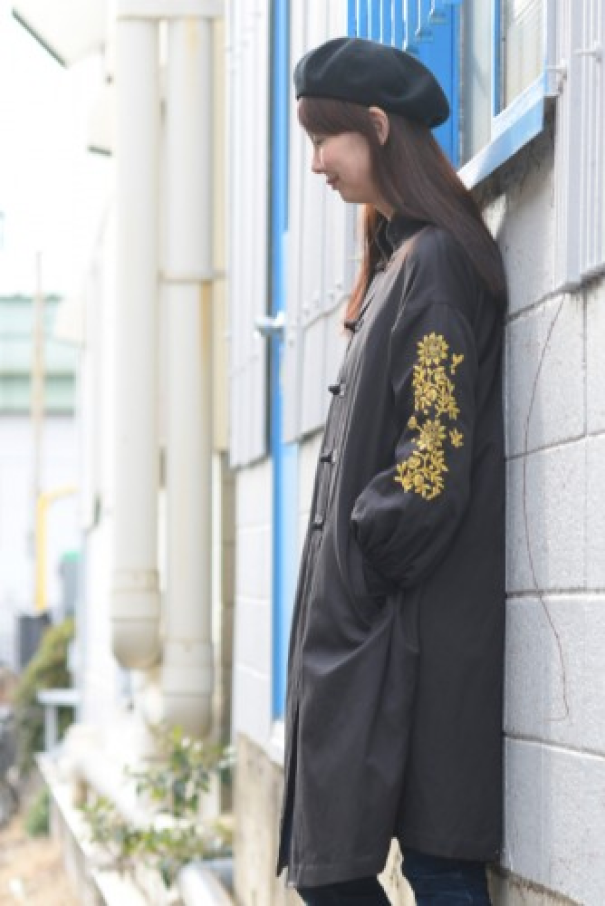
ROUROU enriches your daily life. Recognize your individuality and move towards a world without conflict.
"Rouroukoku" is a land somewhere in Asia that is spiritually and culturally evolved.
Of course, I'm not talking about any specific country, but when I close my eyes, the blue sky, blue sea, tropical fruits, spicy food, colorful costumes and buildings... that's the scenery of Singapore.
When I was a child, I lived in Singapore because of my father's work. When you think of Singapore, you may generally imagine it as a sophisticated tourist destination. However, tourism only progressed after the 1990s, and I remember that Singapore before the 1970s when I lived there was more chaotic, with both developed country aspects and rural, nature-rich aspects.
Although the main streets where business people in suits walk are well-maintained, step into the back alleys and you will see people in colorful hijabs and saris cooking and washing on the street. Singapore has a sophisticated look and another side where you can feel the breath of life, making it a truly multicultural city.
There are many different races and religions. They all coexist in a small area of the country, but even when they mix together, they don't get mixed up... they're in perfect harmony, like a marbled pattern.
A church stands next to a mosque, Muslim customers queue up at a curry restaurant run by an Indian, and in the evening the music of the Quran envelopes the town in an orange hue. It's a chaotic environment in a good way. Each citizen is proud of their own identity, while also respecting and understanding the culture and history of others.
I remember that although my friends were of different races, religions, and skin colors, we naturally accepted each other and played together.
Perhaps the reason he sought the utopia of "Oboro-Oboro Country," where people would naturally and unconsciously accept each other's "individuality," was because of the inferiority complex that had begun to grow in his heart.
My mother had five sisters and we lived relatively close to each other, so I grew up with each of their children and cousins as if they were family.
I used to play games such as mahjong, go, shogi, and Othello with my cousins. But I could never win. I also felt like I was often compared to them in my academics. From an early age, I felt like, "If I continue to compete on the same level as these people, I have no chance of winning."
That's why I set out on a journey to find a path that only I could follow. My desire to become independent and have my own shop grew stronger and stronger.
Then, because I wanted to learn about manufacturing, I asked if I could work part-time at the company run by Maki's mother (now run by her brother).
I also became closer to her, who was my classmate in elementary school, through this part-time job. She helped out with the family business as one of the craftsmen while working as a model.
This was the moment when the dreams of designer Hayazono Maki, who wanted to have her own store, and mine came together.
Maki, who has experience as a model and has an international perspective, and I often talk about the idea that Japanese people may have some admiration or inferiority complex towards Western culture.
Having lived abroad as a child, I can see that Japan has a culture that is unparalleled.
I think there is a unique sense of beauty and values that only Asians have. There must be designs and clothes that look good on Asians.
Furthermore, at a young age I learned firsthand that a harmonious world free of conflict can be achieved if people recognize each other's cultures and identities while also understanding and respecting each other.
We live in a world where conflicts are endless due to differences in culture and ideas, but it would be an incredible joy if each of us could imagine the world in our hearts and create a world with even a little less conflict.
A company does not exist only for the management. We have been able to continue this business thanks to our capable staff, good producers who understand our whims, and above all, the customers who buy our clothes.
With love and gratitude to everyone involved with ROUROU.
May the world be peaceful again.
LOVE and PEACE
Rouro Japan Co., Ltd.
Representative Director and General Producer: Yoichiro Ishikawa
ROUROU - Asia's Utopia
The country of Rouroukoku is an unknown, evolved Asian country that was influenced by Europe and China in ancient times, and eventually built a civilization without conflict, with its own unique culture and art.
Assuming that such an ideal country exists, I design based on the image of the clothes of that country. I would be happy if Asian women could feel proud of their identity by wearing or carrying these clothes. The brand logo is a deformed version of the kanji character "朧" from "朧朧国".
Lotus Room - Asian Princess
ROUROU's premium line "Lotus Room" is based on the concept of a princess's room in the country of Oboro, and creates clothes that evoke the spirit of the lotus. The lotus is a mysterious flower that does not get stained even when it is in the mud, and purifies the water of the pond. ROUROU has made many clothes with lotus motifs up until now, but gradually we began to want to make clothes that evoke the spirit of the lotus, not just the direct lotus. The brand's logo was designed by Wang Chaoying, representative of Shanghai PAOS, which designs corporate and product logos, and a character researcher. It is a deformed version of the Chinese character "soso" (soso), using the character "yatai" used by the royal aristocrats 3,500 years ago.
MAKING
"Thank you to everyone who supports ROU ROU's manufacturing."